Table of Contents
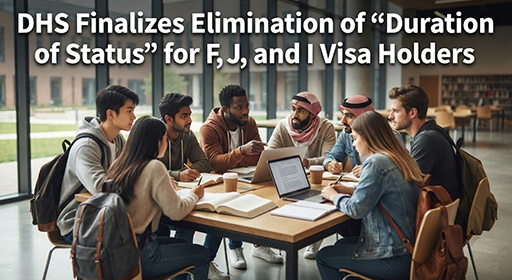
DHS Finalizes Elimination of “Duration of Status” for F, J, and I Visa Holders
What Was the “Duration of Status” (D/S) Policy?
Who Is Affected by the New Rule?
What Does This Mean for Maintaining Lawful Status?
What Should Current Visa Holders Do Now?
What Could Happen If You Don’t Comply with the New Rule?
The Law Offices of Anne Z. Sedki
When F‑1 students, J‑1 exchange visitors, and I‑visa media representatives enter the U.S., they have long been admitted “for Duration of Status” (D/S), meaning they could stay as long as they maintained their visa conditions.
This summer, DHS announced a final rule replacing that open-ended system with fixed admission periods. The change takes effect September 15, 2026. Starting then, F, J, and I visa holders (and their dependents) will receive a specific “Admit Until Date” on their I‑94 records instead of D/S. They must track that date carefully and file for extensions if needed to avoid falling out of status.
Below, we break down the key points of this new rule, who it affects, and what it means for students and exchange visitors planning their stay in the U.S.
Key Takeaways
- Effective date: The final rule was published July 17, 2026, and goes into effect on September 15, 2026 (60 days after publication).
- End of D/S: “Duration of Status” is eliminated for F-1 students, J-1 exchange visitors/scholars, I-visa media reps, and their dependents. They will be admitted for a fixed period instead of open-ended status.
- Fixed periods: For new F and J admissions, the period will match the program length up to a 4-year cap (measured from program start) plus applicable grace days. I‑visa media reps will get up to 240 days (90 days for PRC passport holders).
- Grace period: The F-1 post-completion grace period is cut from 60 days to 30 days. Nonimmigrants must depart or change/extend status within that 30-day window.
- Extensions required: If a student’s program lasts longer than their fixed admission, they must file a USCIS extension-of-stay (Form I-539) before the I‑94 expires. USCIS may collect fingerprints or other biometrics for these applications.
- Unlawful presence: Once the fixed admission period ends, the individual will begin accruing unlawful presence if they remain in the U.S. without an approved extension. This could trigger three- or ten-year bars if departure is delayed beyond a short grace period.
- Who’s affected: New and continuing F-1 and J-1 visa holders and their F-2/J-2 dependents, plus I-visa media reps, even if already in the U.S. under D/S. (The rule’s application may vary for those already here.)
These changes represent a major restructuring of the F, J, and I visa programs. Families and employers that sponsor these visa holders, as well as schools and program sponsors, should prepare now for the transition to fixed admission dates and formal extension applications.
What Was the “Duration of Status” (D/S) Policy?
Under the D/S system, most international students and exchange visitors did not have a specific end date on their I-94. Instead, Customs and Border Protection (CBP) admitted them for “Duration of Status.”
In practice, an F-1 or J-1 stayed valid as long as they followed the rules of their visa—staying enrolled full-time, making normal academic progress, and maintaining a valid SEVIS record. Their I-20 or DS-2019 could be extended by the school or sponsor if their program ran long, without having to apply to USCIS each time.
For over 30 years, this framework allowed a lot of flexibility. For example, an F-1 student who completed a degree and then did authorized OPT or STEM OPT could simply continue without refiling. A J-1 scholar extending their research could just extend their DS-2019 in SEVIS. The key point was that the visa holder’s status dictated how long they could stay, not a printed date.
What Has DHS Changed and Why?
DHS has finalized a rule titled “Establishing a Fixed Time Period of Admission and an Extension of Stay Procedure” that strikes all references to “duration of status” for F, J, and I nonimmigrants.
Effective September 15, 2026, most F-1 students, J-1 exchange visitors (including students, scholars, and J-1 trainees), and I-visa media representatives will get an Admit Until Date (AUD) on their I-94. In other words, the government will set a firm expiration date for their authorized stay, instead of tying it to program requirements.
Why the change? DHS determined that the D/S framework lacked sufficient oversight. Officials argued that fixed admission periods bring F, J, and I categories in line with other visas, making it clearer when status ends. The final rule aims to tighten compliance: once the fixed period expires, the individual must either extend or leave. Under the old system, some critics said students or visitors could stay indefinitely by extending I-20s or DS-2019s without timely filing. The new policy closes that loophole.
Admission periods: For newly arriving F and J visitors, DHS will generally grant up to four years of stay per admission (or the program length, if shorter). This four-year clock starts on the program start date (not the arrival date), and excludes the pre-arrival and post-completion grace days. If an F-1 student’s degree is longer than four years, they would need to extend their stay after four years. For I visa media reps, a fixed period of up to 240 days will be set (with PRC passport holders limited to 90 days). As before, extensions are available if someone needs more time.
Grace periods: The rule also shortens the usual F-1 post-completion grace period from 60 days to 30 days. That means an F-1 student who finishes coursework or authorized training must depart or take legal action within 30 days, not 60. These changes ensure that everyone’s allowed stay ends on a predictable date.
DHS did not change the basic eligibility rules for F-1 or J-1 status. The academic program lengths, course requirements, and visa qualifications stay the same. This is a change to admission mechanics and compliance, not to who can qualify for a visa.
Who Is Affected by the New Rule?
- F‑1 Students (and F‑2 dependents): All new and continuing F‑1 nonimmigrant students will fall under the new fixed-period system starting September 15, 2026. This includes undergraduates, graduates, scholars in study programs, and their spouses/children (F-2).
- J‑1 Exchange Visitors (and J‑2 dependents): All J‑1 categories are included – students, professors, researchers, short-term scholars, trainees, au pairs, etc., and their J-2 dependents. Existing J-1 participants in the U.S. at the effective date will also be subject to the new rules (for example, when re-entering or extending).
- I‑Visa Media Representatives: Persons in I-visa status (journalists, reporters from foreign press) are included. Their admission periods will be capped (generally 240 days, 90 for PRC nationals) and they must extend if needed.
This rule applies nationwide, including students attending schools in New York, New Jersey, or any other state. The Law Offices of Anne Z. Sedki serves clients all across the country (NY and NJ included) on these issues.
In practice, almost anyone with an active F-1, J-1, or I visa (or dependent status) in the U.S. will need to pay attention. If you hold one of these visas, check how long your Form I-94 admission is, and anticipate that it may be shorter under the new rule than your academic program or training period. Schools and sponsors should warn affected students and visitors so they can plan ahead.
What Does This Mean for Maintaining Lawful Status?
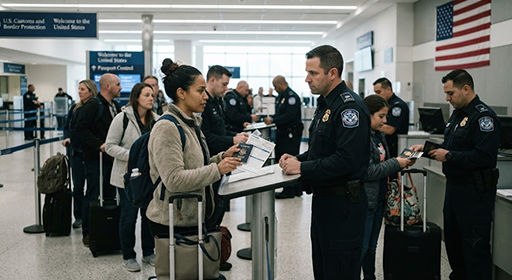
Under D/S, students often worried only about maintaining enrollment or valid documentation. With fixed periods, the actual expiration date on your I-94 becomes critical. If you stay beyond that date without authorization, you will accrue unlawful presence (even if your I-20/DS-2019 is still valid). This can have serious consequences, such as triggering bans on re-entry.
A few key points:
- Check your I-94 “Admit Until Date”: The stamp or electronic record will show a concrete end date. From that day forward, you are no longer authorized unless you have extended your stay. Keep it in your calendar!
- Extensions of Stay (EOS): If your studies or exchange program last longer than the I-94 admits you, file Form I-539 before the end date. After the fixed period ends, you will have to use the new USCIS extension process. File early — USCIS processing can take months. Timely extension filings allow F-1 students to continue studying and J-1s to continue authorized activities while the case is pending.
- Grace Period Compliance: Students no longer have 60 days automatically after program end. If your I-94 expires (plus the 30-day grace) and you do nothing, you fall out of status. Plan any moves or transitions (like OPT, another program, or travel) well in advance.
- Change of Level or School: Under D/S, students often changed majors or schools via SEVIS updates. The new rule still allows transfers and changes of educational level within status, but USCIS may require you to also extend your I-94 if the new program would go beyond your current admission period. Consult your DSO about timing any SEVIS transfers.
- Unlawful Presence: For the first time, F, J, and I nonimmigrants will start accruing unlawful presence as soon as their admission expires, unless they have an approved extension. In other categories, unlawful presence triggers bars at 180 days or one year overstay. The same will apply here. So if a student’s I-94 ends and they stay another 6 months without legal status, they could face a 3-year ban. Another 6 months beyond that would lead to a 10-year bar.
In short, monitor the clock. Under the new policy, falling out of status could happen quietly if you miss the date. It’s not enough that your school’s paperwork is valid — your admission date on the I-94 is what DHS will use.
What Should Current Visa Holders Do Now?
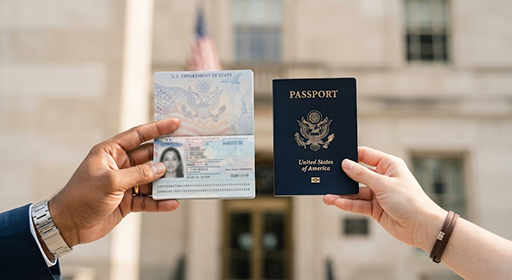
- Review Your Records: Log into your CBP I-94 and note the “Admit Until Date” on your current record. Compare it to your SEVIS end date. If the I-94 is shorter than your program end date, start planning for an extension now.
- Plan Extensions Early: If your program or training will run past the I-94 date (including any 30-day grace), file Form I-539 in advance. This gives USCIS time to process and keeps you in status while pending. Remember that biometrics (fingerprints/photos) may be required with this filing.
- Talk to Your School or Sponsor: International offices at universities, and J-1 program sponsors, should be discussing these changes. Ask your school’s DSO or RA about how this affects your specific case. They may help adjust your I-20/DS-2019 end date or ensure you know the steps for extensions. Many campuses are already preparing guidance and webinars on the new rule.
- Avoid Out-of-Status Travel: If you travel internationally after the rule’s effective date, you will return with a new fixed admission period on your I-94. Make sure to coordinate travel with your remaining authorized time; accidentally re-entering with an expired SEVIS record or without an extension approval can trigger unlawful presence immediately.
- Use Grace Period Wisely: If you complete your program, remember you now have only 30 days to depart or change/extend status. Use that time to wrap up affairs or file any post-completion OPT, Academic Training, or new program petitions.
- Seek Legal Advice: These rule changes are complex. If you have any doubt, consult an immigration attorney or a trusted advisor at your school. The Law Offices of Anne Z. Sedki (in New York/NJ) can answer questions about maintaining status under the new rule. Early planning can prevent a lot of headache down the road.
The bottom line: Be proactive. Don’t assume you can continue indefinitely without USCIS filings. Mark your calendar for any fixed dates, and act before they arrive.
What Could Happen If You Don’t Comply with the New Rule?
Failure to follow the new rules could have serious consequences:
- Accrual of Unlawful Presence: Once your I-94 Admit Until Date passes, staying in the U.S. without an approved extension means you are unlawfully present. Even a few days of overstay can be risky. If you pass 180 days unlawfully present, then leave, you trigger a 3-year ban. If you reach 1 year of unlawful presence, you face a 10-year bar. This is stricter than the old system, which generally only counted unlawful presence after a status violation was formally found.
- Violation of Status: Falling out of status can also mean losing eligibility for benefits. For instance, if you leave the U.S. after overstaying, you may be denied re-entry or future visas. Overstaying can even end OPT or Academic Training prematurely.
- Problems with Future Applications: Any immigration application (like a future green card petition or nonimmigrant extension) will have to account for gaps in lawful status. A gap can require a waiver or lead to denial.
- Removal (Deportation) Risks: In extreme cases, knowingly staying past your authorized date can expose you to removal proceedings. The new rule clarifies that no exception (like the old flexible D/S) applies after the date passes.
The rule change is meant to prevent “status abuse,” but it means everyone must be more diligent. The Department of Homeland Security has stressed that the fixed-period framework will eliminate confusion about when status expires. If you don’t take the new admission date seriously, you may inadvertently break the law.
Frequently Asked Questions
- Q: Does this affect me if I’m already in the U.S. now? Yes. If you are in F, J, or I status on September 15, 2026, the new rule will apply to you. You won’t immediately get a new I-94 unless you depart and re-enter, but if you stay beyond your current admission or need to change/extend, the new rules kick in. For example, if you complete your program in 2027, you’ll have only a 30-day grace, not 60.
- Q: Can I still extend my stay after program end? Yes, but you must use the new USCIS extension procedure (Form I-539) and submit before your fixed Admit Until Date expires. Don’t wait until the last minute – USCIS processing times can be long.
- Q: What if my program is longer than 4 years? If your degree exceeds four years, DHS will not admit you beyond four years without intervention. You would need to file for an extension before hitting that cap to cover the remainder of your program.
- Q: How are OPT and Academic Training handled? Authorized practical training is still allowed, but it must fit within your fixed admission. If your OPT would extend beyond the I-94 date, you must extend your stay first. Conversely, if you file a timely extension, you can continue working while the extension is pending. (If you depart the U.S., be careful: re-entry will cut your I-94 to match your I-20 end date plus 30-day grace.)
- Q: Should I talk to an immigration lawyer?Absolutely. This rule is a major shift. Consulting an attorney can help you understand how it applies to your exact situation — especially if you have concerns about maintaining status or planning an international move. The attorneys at Anne Z. Sedki can assist nationwide (including New York and New Jersey) with immigration strategy under the new regulations.
Final Thoughts
The elimination of the “Duration of Status” policy is a landmark change. It means that F, J, and I visa holders can no longer be “self-managing” their admission period solely through school or sponsor paperwork. Instead, the U.S. government will set a firm end date that everyone must obey. This adds paperwork and deadlines, but also clarity: everyone will know exactly when their authorized stay expires.
Staying legal will require planning. The good news is that USCIS emphasizes that students and scholars may continue their studies, training, or work while an on-time extension is pending. But to take advantage of that, you must act early. Keep your I-20/DS-2019 updated, file any extensions on time, and watch the calendar.
These changes are intended to prevent surprise violations and ensure everyone’s status is properly authorized. It may feel daunting, but being informed is the first step.
Disclaimer: This blog is for informational purposes and not legal advice.
If you have questions about how the new fixed admission periods affect your particular case, or if you need help filing extensions or planning your next steps, consider reaching out.
The Law Offices of Anne Z. Sedki
Navigating immigration policy changes is challenging. At The Law Offices of Anne Z. Sedki, our attorneys help students, scholars, and professionals understand new rules and stay in compliance.
We serve clients in New York, New Jersey, and nationwide. If you need guidance on maintaining status under the new Duration-of-Status rule — or any other visa or immigration issue — our team is here to help. Contact us today to schedule a consultation and protect your lawful stay.
The future may be complicated, but you don’t have to go it alone. We’re ready to work with you to keep your dreams on track in the U.S.